
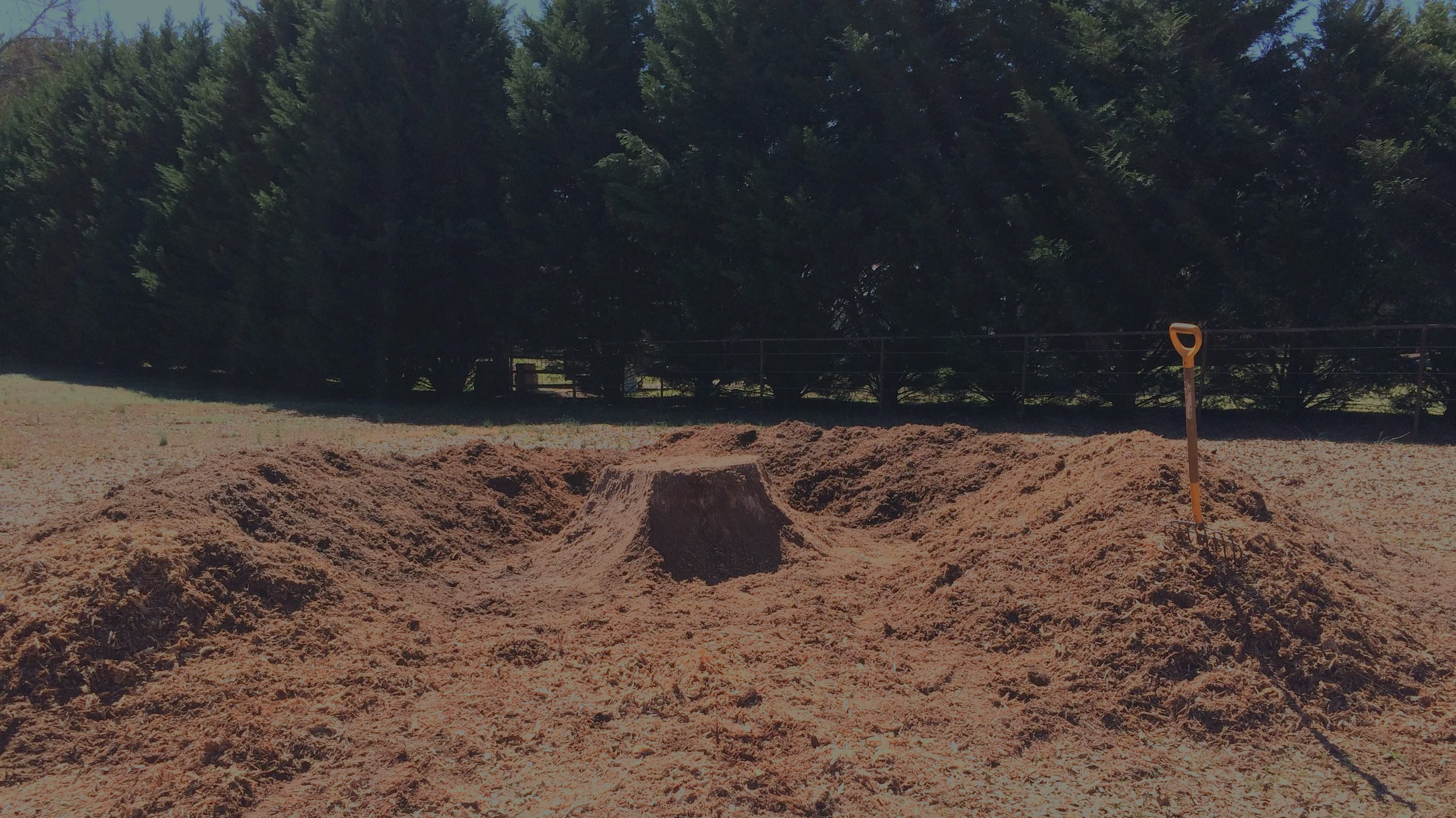
How We Protect Your Lawn During a Stump Grinding Job
When most people think about stump grinding, they picture the stump disappearing. What they don’t always think about is what happens to the lawn around it.
At StumPro, we think about that immediately.
Stump grinders are powerful machines. They have to be. Whether they run on wheels or rubber tracks, they’re built to generate torque and stability so they can chew through dense hardwood. But machines designed for power don’t automatically translate to being gentle on grass. If handled carelessly, they can scuff turf, leave ruts, or compact soil.
That’s why protecting your property isn’t an afterthought for us — it’s part of the plan from the start.
The Reality of Tracks and Tires on Grass
Our grinders are equipped with either pneumatic tires or rubber tracks, depending on the machine and the job. Each has its strengths, but both can affect a lawn if proper precautions aren’t taken.
Even though rubber tracks spread weight more evenly than tires, they still apply pressure to the ground. When soil is soft — especially after rain — that pressure can create indentations or compaction. Compacted soil restricts airflow and root growth, which can stress grass long after the job is done.
Turning is another key factor. When heavy equipment pivots sharply, it creates lateral shear stress. In simple terms, the machine can twist the grass away from its root system. Even a healthy lawn can tear under a tight turn, particularly if the roots are shallow or the ground is damp.
In other words, it’s not just about how heavy the machine is — it’s about how it moves.
That’s where experience and preparation matter.
Why We Use Thick Plywood for Protection
Our primary method of protecting lawns is straightforward but highly effective: thick, dense plywood sheets.
The goal is load distribution. Instead of the machine’s weight being concentrated under tracks or tires, the plywood spreads that weight across a much larger surface area. This dramatically reduces ground pressure and helps prevent rutting.
The plywood also gives us a stable surface to maneuver on. When the grinder needs to reposition or turn, the friction happens between the machine and the board — not the machine and your grass. That makes a significant difference in preventing turf damage.
Beyond lawn protection, plywood also serves as a barrier during grinding itself. Stump grinders throw wood chips at high speed. While we always control direction and distance, we often set up plywood shields to protect windows, siding, vehicles, fences, or other nearby structures. It adds an extra layer of safety and peace of mind.
It’s simple. It works. And it shows we care.
Careful Movement and Job Planning
Protection isn’t just about materials — it’s also about how we operate.
Before we even start, we assess ground conditions. Wet clay soil behaves very differently than dry, compact soil. If needed, we adjust access routes and machine placement to minimize stress on the lawn.
We avoid unnecessary pivot turns. We use gradual, controlled movements. We create defined travel paths instead of driving randomly across the yard. And when possible, we choose the machine best suited for the terrain.
Grinding a stump might take 20–30 minutes. Lawn recovery from damage can take months. We keep that perspective in mind.
Stewardship Is Part of the Job
At StumPro, we don’t view your property as just a worksite. It’s your home. It’s your investment. It’s something you take pride in — and we respect that.
Our goal isn’t just to remove a stump. It’s to leave your yard looking clean, safe, and cared for. We want you to look outside afterward and see improvement — not new problems.
Anyone can grind wood.
Not everyone takes the extra steps to protect what surrounds it.
We believe being good stewards of the property we work on is part of doing the job right.
That’s the StumPro standard.